
Jenae's Mule Deer Go To'sUpdated an hour ago
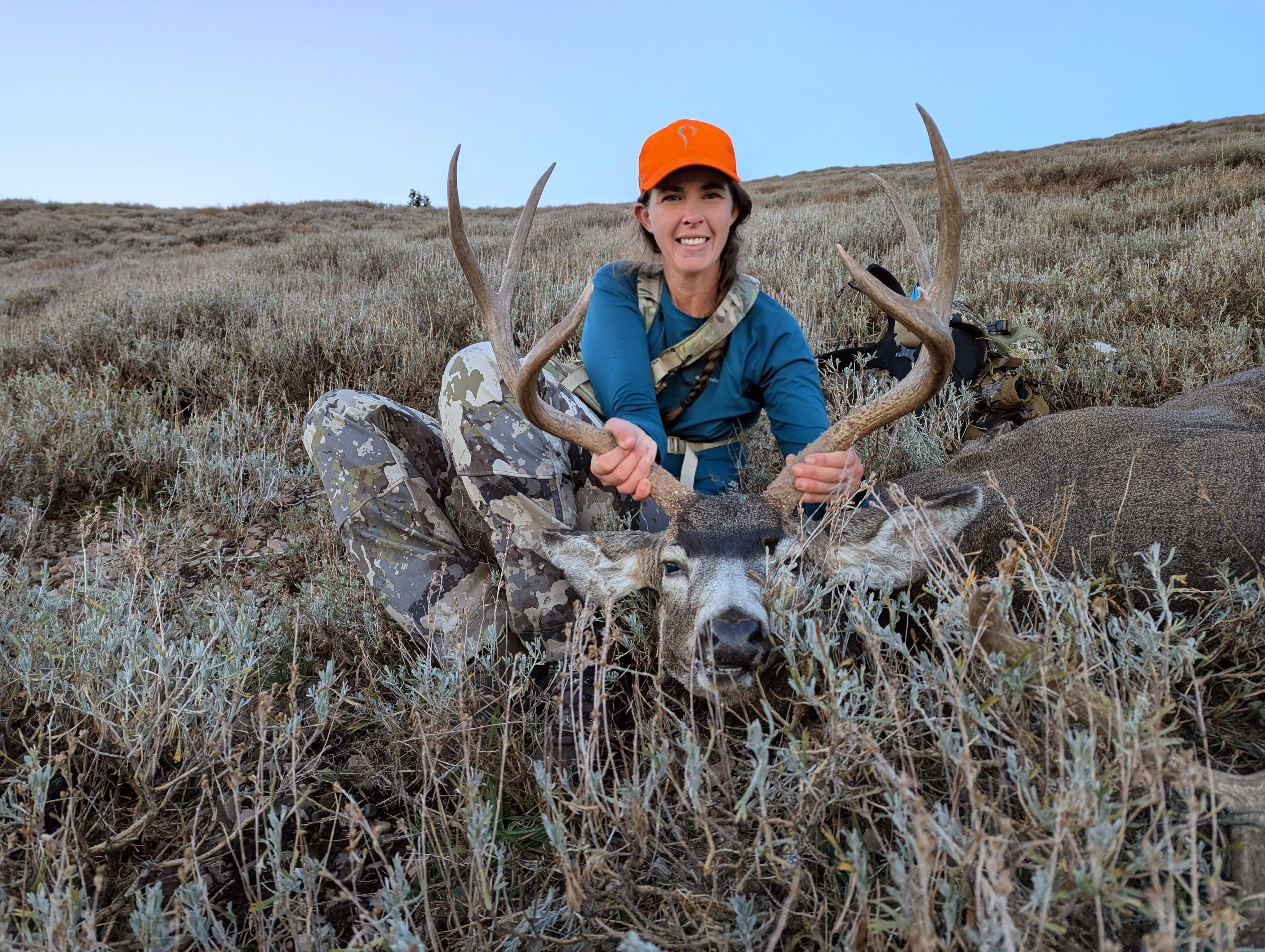
Mule deer rifle season has a way of exposing weaknesses. The days are long. The climbs are steep. Temperatures can swing from freezing mornings to warm afternoons, and mountain weather can change before you have time to adjust. Add in a heavy pack, a rifle, miles of glassing, and the pressure of a hard-earned opportunity at a mature mule deer, and there isn't much room for gear that can't keep up.
The hunt starts long before the first light hits the mountain. A brisk morning at camp calls for a foundation that can handle the cold without becoming a burden once the climb begins. The All-Season Socks and Kiln Long Johns provide that first layer of warmth, while the Corrugate Foundry Pants bring the durability needed for a day spent moving through rough country.
A hunter-orange First Lite Trucker Hat adds visibility around camp, while a pair of rugged wool gloves keep hands protected without sacrificing the dexterity needed to handle a stove, thermos, rifle, or binoculars. Even something as simple as pouring a cup of coffee becomes part of the morning routine.
Then the pack goes on. The FHF FOB Bino Pouch and AirFrame Harness keep the binoculars close and accessible, eliminating the need to dig through a pack every time a ridge needs to be picked apart. The Suppressor Jacket and Charge Vest add wind protection and visibility before the climb begins.
Then it’s time to move. Once the elevation starts gaining, the body starts producing heat. A jacket that felt necessary an hour earlier can quickly become too much. That's where layering becomes critical.
Rather than fighting through a steep climb overheated and sweating, the Suppressor can be stowed in the Apex Pack while the Navigator Active Fleece takes over. Built for movement, the Navigator provides a breathable, moisture-wicking layer for the uphill push.
The goal isn't to eliminate the effort. The goal is to make sure your clothing isn't working against you. As the elevation increases, the temperature drops and the wind begins to bite. The Navigator's hood can be pulled over the hat to protect the ears and back of the neck without having to stop and completely change layers.
Eventually, the burn in the calves becomes a reminder that the climb has done its job. Mountain weather rarely cares about the forecast. A morning that started cold and clear can turn into rain with little warning. When that happens, the gear that was packed away becomes just as important as the gear being worn.
The Suppressor comes back out when the rain and wind start. Beneath the shelter of the pines, it becomes the outer layer again. Chest vents allow access to the binoculars while helping regulate temperature during long periods of glassing. When a hunter spends hours sitting nearly motionless behind glass, small problems that weren't noticeable during the climb can become major distractions.
A wet layer, a cold neck, sweaty base layers, a jacket that doesn't move with you. Over the course of a full day, those details add up!
The Corrugate Foundry Pants are working too. Sitting, kneeling, climbing, and moving through rough terrain put considerably more abuse on pants than a walk around town ever will. The reinforced seat and knee pads, provides additional protection when the hunter settles into a wet mountainside to glass.
Hours of glassing can pass without anything happening. That is part of the hunt. The binoculars move from ridge to ridge. Timber pockets are picked apart. Every patch of cover gets a second look.
Then, suddenly, all that patience pays off. There! A mule deer buck steps into view. Not just any buck. This is the buck that has been watched throughout the summer. The buck whose habits have been studied and whose movements have been anticipated for months.
The transition from glassing to shooting happens quickly. The rangefinder comes out. The rifle comes up. The distance is confirmed.
Everything that mattered on the hike suddenly matters for a different reason. The binoculars need to be out of the way. The outer layer needs to move with the hunter. Nothing can distract from the shot.
Settle behind the rifle.
Breath in.
Slow exhale.
And everything goes quiet.
That's the Test
A successful hunt isn't determined by one piece of gear. It's the entire system working together.
The socks that kept your feet comfortable during the climb. The base layers that helped regulate your temperature. The pants that handled miles of rough country. The fleece that kept you moving uphill without overheating. The shell that came out when the weather changed. The harness and bino pouch that kept your glass accessible when the buck finally appeared.
Every piece has a job. This setup stood up to the test for me, from the long climbs and changing weather to the hours spent glassing and waiting for the right opportunity. I trust this system in the field, and I believe it can stand up to the demands of your hunt, too. Because the best hunting gear isn't the gear that looks good hanging in the gear room. It's the gear that you stop thinking about because you're focused on climbing, glassing, waiting, and eventually taking advantage of the opportunity you've spent months preparing for.
Rifle season is demanding. The mountains are demanding. The hunt is demanding. Your gear should be ready for all three.
As a woman wearing gear in what can sometimes feel like a “men’s” world, I’ve found that sizing can be a little tricky. I usually size down one size from my normal size when purchasing men’s tops or outerwear, and that seems to work well for me.
Pants, however, are a completely different story! On average, I feel like I need to go about three sizes up in men’s pants to get a comfortable fit. The difference in sizing between tops and pants can definitely be challenging when trying to find the right fit.